
Choosing the right tiles for each room in your home goes beyond mere aesthetics; it’s about functionality, durability, and the ambience you want to create. Tiles are a popular choice due to their versatility and ease of maintenance, but with countless materials, finishes, and styles available, the selection process can be overwhelming. This guide aims to demystify the process, providing expert tips on selecting tiles that not only match your personal style but are also suited to the demands of each space in your home.
Understanding the specific needs of different areas—from the moisture-rich environment of the bathroom to the high-traffic zones of hallways and kitchens—is the first step in making an informed decision. By considering factors such as room usage, lighting conditions, and the overall design theme of your home, you can choose tiles that enhance both the functionality and the beauty of your living spaces.
Understanding Room Requirements
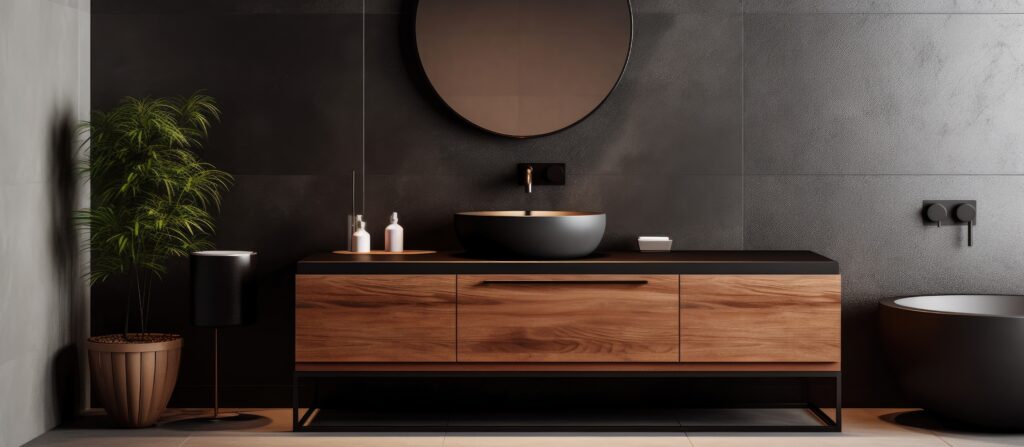
Bathroom: In the bathroom, moisture resistance is paramount. Non-porous materials like porcelain or glazed tiles are ideal, preventing water absorption and ensuring durability. Additionally, choosing tiles with a textured surface can provide extra slip resistance, a critical safety feature in wet areas. Beyond functionality, the bathroom offers a chance to create a personal retreat with tiles that reflect your style, whether it’s serene and spa-like or bold and patterned.
Kitchen: Kitchens demand tiles that can withstand spills, stains, and high traffic. Porcelain tiles are not only resistant to moisture but also hard-wearing, making them suitable for floors and backsplashes. When selecting kitchen tiles, consider ease of cleaning; smooth surfaces and darker colors can help conceal spills and make maintenance a breeze. The kitchen is the heart of the home, so choose tiles that complement your cabinetry and countertops for a cohesive look.
Living Areas: Living areas allow more flexibility in tile selection. Here, aesthetics can take precedence, with comfort and warmth being key. Large-format tiles can make small rooms appear larger, while lighter colors brighten up spaces with limited natural light. Consider softer textures for areas where you’ll spend time barefoot. Living rooms and dining areas are perfect for experimenting with patterns and colors to create a focal point or enhance the room’s design theme.
Outdoor Spaces: For patios, balconies, or any outdoor space, choose tiles designed to withstand weather conditions. Porcelain tiles are ideal for their low porosity and high durability, resisting frost and sun fading. Textured tiles reduce the risk of slips in wet conditions. Consider the overall landscape design when selecting outdoor tiles, ensuring they complement both your home’s exterior and the natural surroundings.
Choosing the Right Materials
Ceramic vs. Porcelain: Ceramic tiles are popular for their variety and cost-effectiveness, suited for walls and light-traffic areas. Porcelain, a type of ceramic but denser and less porous, is better for floors and high-moisture areas. While both are durable, porcelain’s through-body composition means chips and scratches are less noticeable, making it ideal for high-traffic and commercial applications.
Natural Stone: Offering unique beauty, natural stone tiles like marble, granite, and slate add elegance to any space. Each piece is distinct, providing unparalleled character. However, natural stone requires more maintenance, including sealing to prevent stains and damage. Consider natural stone for areas where its beauty can be appreciated and its care requirements met, such as in entryways or as a kitchen backsplash.
Glass and Mosaic Options: Glass tiles offer a reflective quality that can brighten up spaces and make them appear larger. They are perfect for accent walls, backsplashes, and bathroom features. Mosaic tiles, on the other hand, allow for creative patterns and designs, adding visual interest to any space. Both options are excellent for creating focal points but may require more meticulous installation and maintenance.
Size, Color, and Texture Considerations
How Tile Size Affects Room Perception: Tile size can significantly impact the visual perception of a room. Large-format tiles can make small spaces appear larger and more open, with fewer grout lines creating a seamless look. In contrast, smaller tiles can make large rooms feel cozier and more intimate. Consider the scale of the room and the furniture within it when choosing tile size to achieve the desired effect.
Choosing Colors for Mood and Space Enhancement: Colors can dramatically affect the mood and ambiance of a room. Light-colored tiles can make a room feel airy and spacious, while dark tiles can add warmth and depth. Neutral colors offer versatility and longevity, easily adapting to changing decor styles. For those looking to make a statement, bold colors or patterned tiles can add personality and flair to a space.
Texture Implications for Safety and Comfort: Beyond aesthetics, the texture of tiles plays a crucial role in safety and comfort. Textured tiles provide slip resistance, an important consideration for bathrooms, kitchens, and outdoor areas. For living areas where comfort is key, smoother textures may be preferable, offering a pleasant underfoot feel. Consider the balance between safety, maintenance, and comfort when selecting tile texture.
Practical Tips for Tile Selection
Matching Tiles to Lifestyle and Home Decor: Your lifestyle and home decor should guide your tile selection. For homes with pets and children, durable, easy-to-clean tiles are a must. Consider the overall style of your home—modern, traditional, rustic—and choose tiles that complement or enhance this theme. The right tiles can serve as a canvas, allowing other elements of your decor to stand out.
Budgeting for Quality and Longevity: While it’s important to choose tiles within your budget, consider the long-term value of your investment. High-quality tiles may come with a higher upfront cost but can offer greater durability and longevity, reducing the need for replacements over time. Don’t forget to factor in the cost of installation and maintenance when budgeting for your tile project.
Seeking Professional Advice for Unique Situations: Every home and project is unique, and there may be situations where professional advice is invaluable. Whether it’s dealing with uneven subfloors, selecting the right adhesive, or choosing tiles for a complex design, consulting with a tiling expert or interior designer can help ensure your project’s success. Professionals can offer insights and solutions that might not be immediately apparent, ensuring your tiling project meets both your aesthetic and functional needs.
Conclusion
Choosing the right tiles for your home involves a delicate balance of aesthetics, functionality, and practical considerations. By understanding the specific needs of each room, selecting the appropriate materials, and considering size, color, and texture, you can create spaces that are both beautiful and durable. Remember to match your tiles to your lifestyle and decor, budget wisely, and don’t hesitate to seek professional advice for complex decisions. With these expert tips, you’re well-equipped to make informed tile selections that enhance the beauty and functionality of your home.
